Building a Stronger, More Sustainable Palm Oil Industry for Indonesia


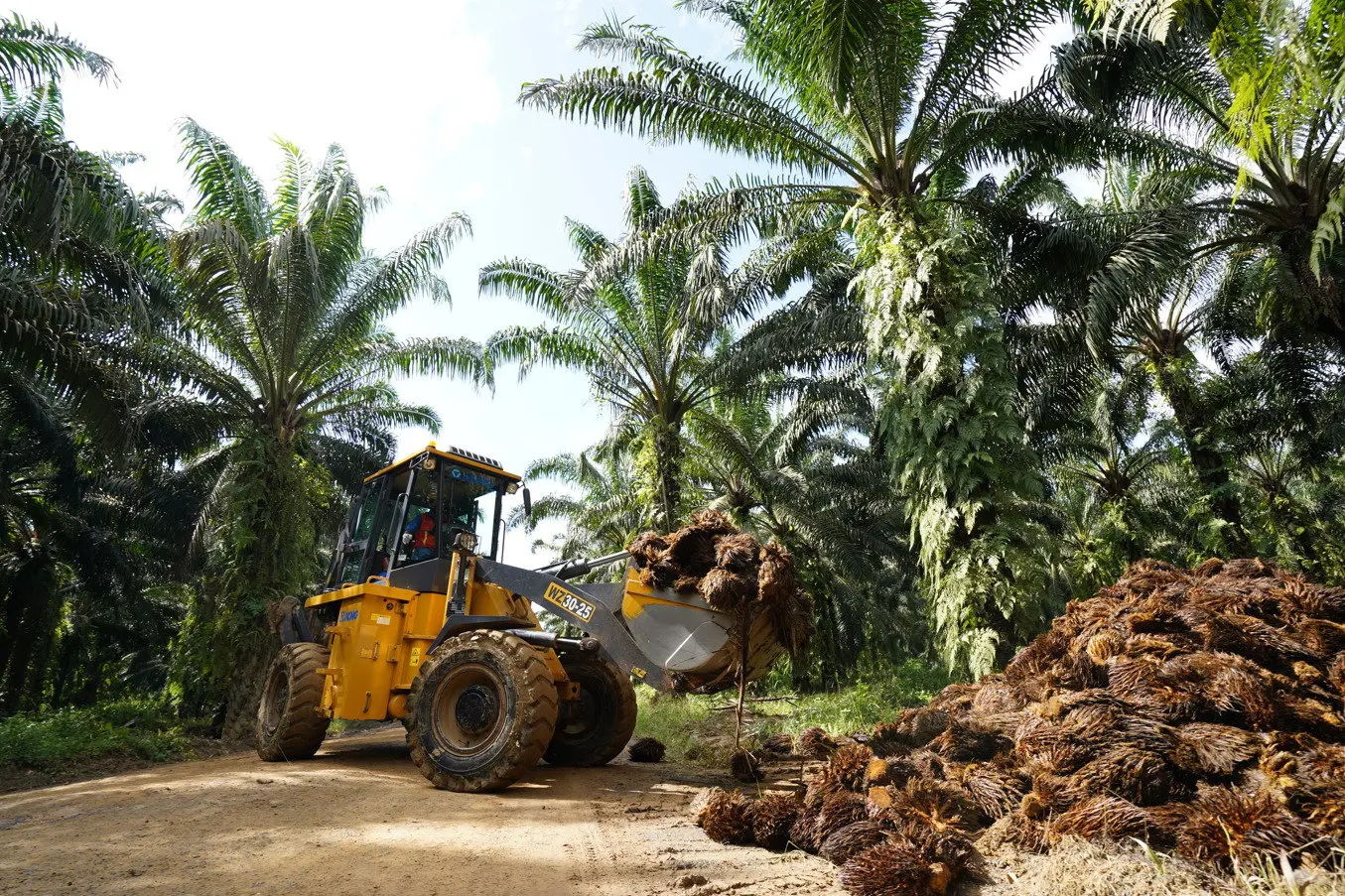

Our Products
Crude Palm Oil
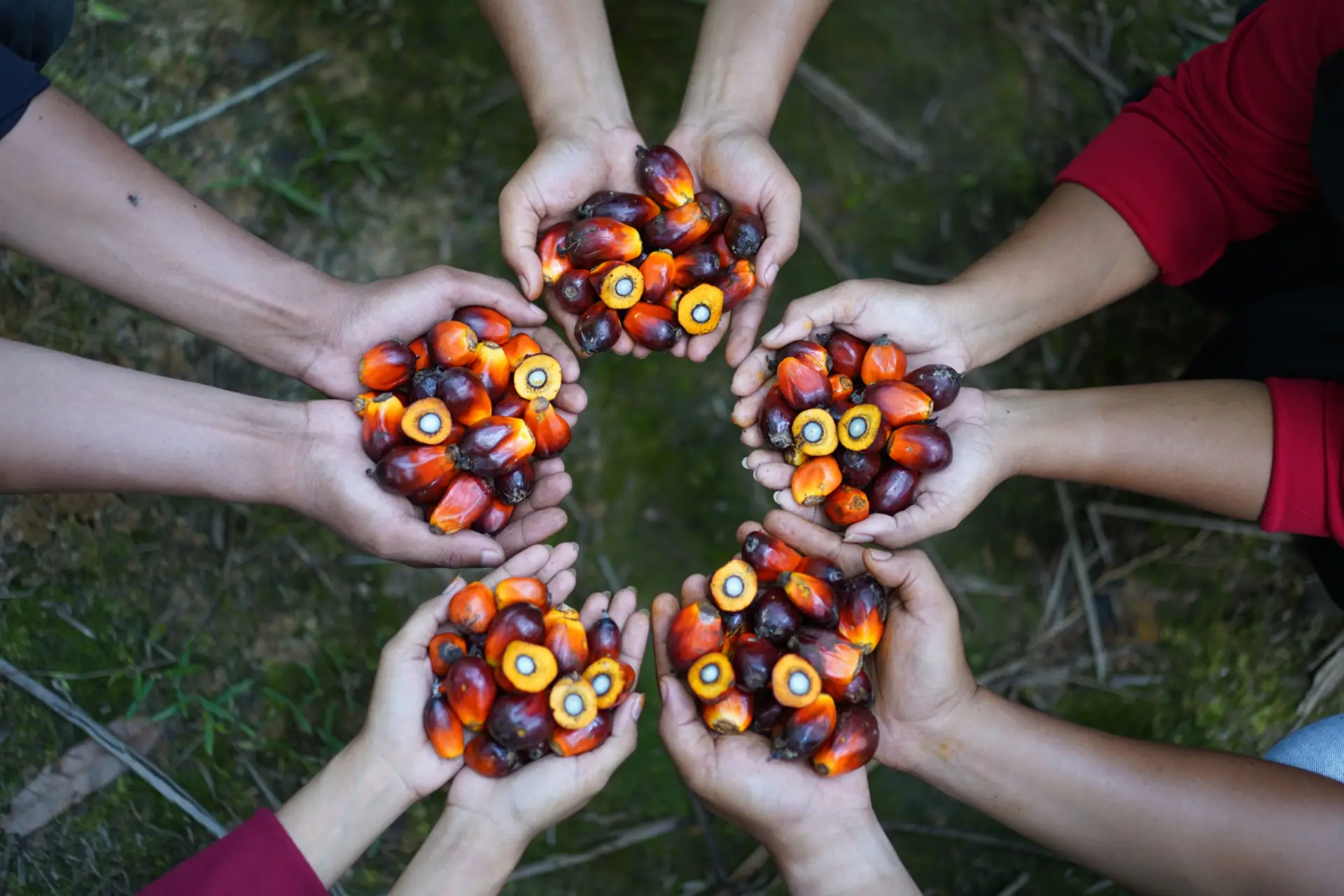
It is one of the most widely consumed types of vegetable oil in the world, produced through the extraction or compression process of oil palm fruit flesh and has not been purified.
Read More
Palm Kernel
A seed consisting of an endosperm (protective shell of the kernel) and an embryo (kernel), containing high-quality kernel oil. This product is obtained from the separation of the fruit flesh during the processing stage at the palm oil mill.
Read More
Operational Areas
Papua
Kalimantan
Sumatra
Total planted areas
In 2023, which are spread across Kalimantan, Sumatra, and Papua.
More DetailsProcessing mills
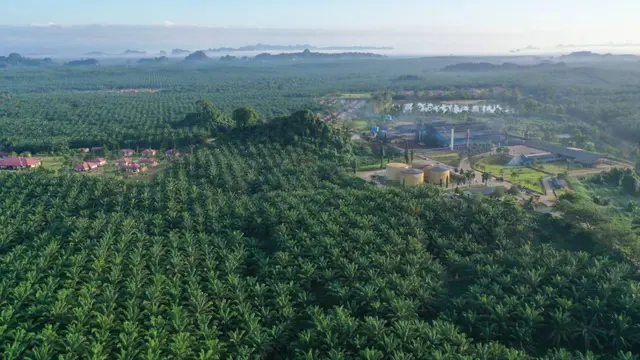
Equipped with modern technology to produce palm oil products marketed domestically, with the potential to expand the distribution to international markets.
More DetailsInstalled capacities (tons of fruit/hour)
To facilitate swift operations, improve efficiency, and achieve optimal production output.
More DetailsInvestor Hub
Sustainability
Certification
To ensure all aspects of our operational units meet sustainability standards, we are committed to participating in the RSPO and ISPO sustainability schemes.
Sustainability Strategy
EHP’s commitment to sustainability is reflected in its achievement of a 4th place ranking in Indonesia and 23rd globally on SPOTT 2024, with a score of 81.4%.
Environmental Stewardship
EHP strives to implement environmentally friendly practices through a sustainability policy that prohibits the use of harmful chemicals in all operational activities.
Biodiversity
With plantations located near natural and protected forests that have High Conservation Value (HCV), biodiversity is a top priority in EHP’s business operations.
Traceability
EHP collaborates with supply chain partners to ensure traceability and transparency, while encouraging 100% of suppliers to meet palm oil sustainability commitments by 2035.
Fire Prevention & Management
EHP has formed fire brigades at each plantation to monitor and identify hotspots and forest and land fires in its operational areas.
Social Responsibility
This is reflected in the implementation of CSR activities in areas such as Community Development, Environmental Protection and Awareness, Infrastructure Network Development and Maintenance, and Social Welfare.